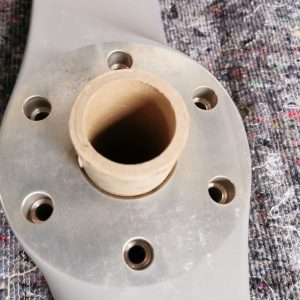
New, Never Installed should be evaluated through its data plate, serial number, dimensions, hub, mounting arrangement, storage condition, documentation, and approved aircraft-and-engine applicability.
Accurate model terminology helps prevent confusion with visually similar propellers that may have different pitch, diameter, hub, or aircraft applications.
These related phrases connect the product with buyers seeking a durable and comparatively straightforward general aviation propeller design.
Correct dimensional and installation research supports safer and more efficient propeller selection.
Clear terminology supports both search performance and responsible aviation-product presentation.
Reviewing P/N 74DM6-0-60 Markings
Every digit, letter, dash, suffix, alteration stamp, and serial marking should be recorded because similar-looking propellers can have different applications or dimensional configurations.
The buyer should determine whether the propeller remains in its original manufactured configuration or has undergone any pitch adjustment, diameter reduction, refinishing, inspection, trial fitting, repair, or alteration.
Understanding New-Old-Stock Propeller Status
An unused propeller may still develop coating damage, corrosion, moisture exposure, scratches, dents, contamination, or packaging-related abrasion.
A never-installed statement may be supported by the absence of operational erosion, mounting impressions, spinner contact, bolt marks, and documented operating time.
How a Fixed-Pitch Aluminum Propeller Operates
A propeller suitable for one aircraft equipped with a Lycoming O-320 may not be appropriate for another aircraft using a different engine variant or airframe configuration.
Fixed-pitch simplicity can reduce mechanical complexity compared with variable-pitch or constant-speed systems, but it does not eliminate inspection, balance, tracking, and maintenance requirements.
Inspecting the Sensenich Aluminum Propeller
Aluminum construction offers a durable and proven solution for many general aviation aircraft when the blades, hub, mounting surfaces, leading edges, tips, and protective finish remain within acceptable condition.
Factory paint and protective coating should be checked for lifting, bubbling, scratches, abrasions, discoloration, and exposed metal.
Understanding Diameter and Aircraft Clearance
The 74-inch diameter description should be confirmed through the complete model designation, manufacturer data, available records, and suitable physical measurement.
A difference between documented and measured dimensions should be investigated before installation.
Blade Pitch and Engine Loading
Pitch influences theoretical forward movement, engine loading, achievable RPM, climb behavior, and cruise characteristics.
Both blades should maintain suitable pitch consistency, contour, and dimensional symmetry.
Selecting an Approved Propeller Installation
The Lycoming O-320 engine family includes different models, power ratings, flange configurations, operating limits, and aircraft applications.
The engine and propeller combination must remain within applicable RPM and power limitations.
Evaluating Both Propeller Blades
Shipping damage or improper storage affecting one blade can influence the balance and suitability of the complete propeller.
Careful handling preserves the Two-Blade Aircraft Propeller assembly.
Inspecting the Propeller Mounting Area
Mounting holes should remain free from corrosion, damaged edges, contamination, improper machining, impact marks, and unexplained installation impressions.
The propeller should never be drilled, forced, or modified to fit an incompatible engine flange.
Evaluating Scratches, Dents, and Finish Damage
A propeller should not be assumed free from defects solely because it has never been operated.
Trailing edges and blade tips should remain free from bending, cracking, deformation, edge damage, and inconsistent contour.
Identifying Moisture-Related Damage
A dry storage history can reduce Certified Aircraft Propeller corrosion risk but does not eliminate the need for inspection.
Periodic inspection can identify developing coating or environmental concerns.
Reviewing Propeller Release Documentation
The buyer should confirm the data plate, serial number, production information, conformity records, release documents, and exact approved aircraft application.
Installation eligibility depends on the exact aircraft, engine, configuration, approved data, and applicable maintenance requirements.
Propeller Traceability and Documentation
The serial number should match every manufacturer record, inspection tag, shipping document, and release certificate.
Documentation associated with a planned aircraft installation does not independently approve another aircraft application.
Evaluating a New Never-Installed Propeller
Detailed review reduces unsuitable purchases and unexpected inspection costs.
- Resolve identity, applicability, dimensions, condition, and package-completeness questions before payment.
- Confirm the manufacture or purchase date, storage duration, environmental conditions, preservation method, ownership history, and absence of operating time.
- Retain photographs, serial information, measurements, purchase records, inspection reports, release documents, and freight paperwork with the aircraft project file.
Safe Freight Handling Procedures
Professional packaging helps preserve the never-installed condition.
The propeller should remain immobilized throughout transport.
Maintaining Packaging and Identification
During storage, the propeller should remain clean, dry, supported, protected from impact, and separated from corrosive chemicals or uncontrolled environmental exposure.
Organized storage supports the commercial value of the General Aviation Propeller.
Mounting the Replacement Aircraft Propeller
Professional installation protects the propeller, engine, and airframe.
Fasteners should be tightened and secured according to applicable procedures, torque values, and tightening sequences.
Dynamic balance may be considered after mechanical condition and correct installation are confirmed.
Caring for the Fixed-Pitch Aluminum Propeller
Routine maintenance should include inspection of blade faces, backs, leading edges, trailing edges, tips, hub, mounting hardware, spinner components, blade tracking, finish, and signs of corrosion or movement.
The propeller should receive additional inspection after a suspected strike, sudden engine stoppage, overspeed, severe vibration, loose installation, lightning-related concern, or transportation impact.
Replacement Propeller Ownership Costs
Original packaging can improve presentation and provenance but does not replace physical examination.
Commercial evaluation should focus on verified suitability rather than condition wording alone.
Selecting a General Aviation Replacement Propeller
New, Never Installed can provide valuable replacement, restoration, new-construction, engine-installation, inventory, or resale potential when its identity, dimensions, storage history, condition, and applicability are verified.
Careful technical and commercial review can reduce compatibility problems, missing-hardware expenses, storage-related concerns, installation delays, inspection costs, and documentation issues.
Whether buyers need a Sensenich Fixed-Pitch Propeller, Sensenich Aluminum Propeller, Fixed-Pitch Aluminum Propeller, or Aluminum Aircraft Propeller, current condition and dimensional conformity should be verified.
With transparent records, protected shipping, correct aircraft-and-engine fitment, careful mounting, and appropriate inspection, the Sensenich propeller can support a professional aviation project.